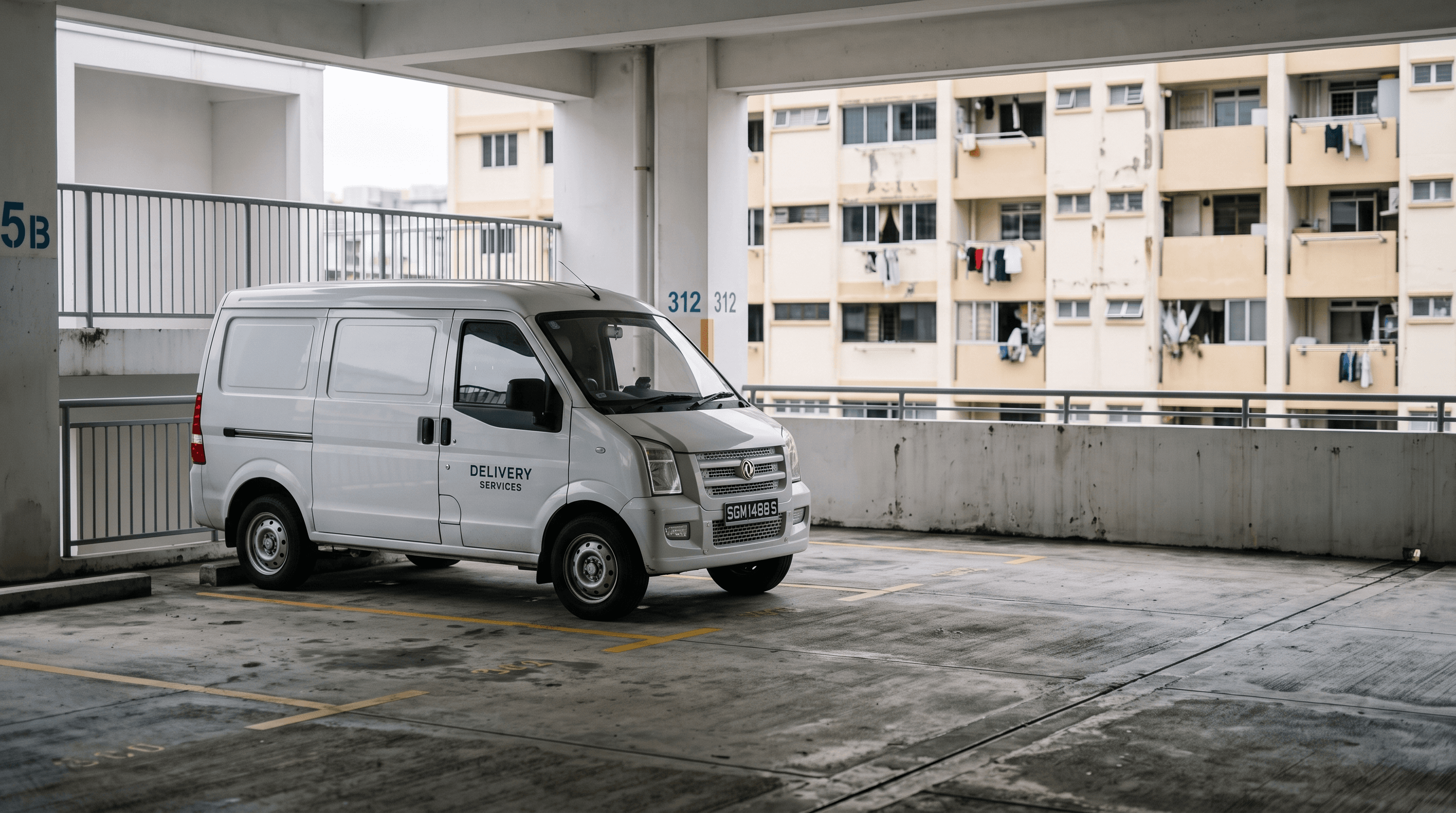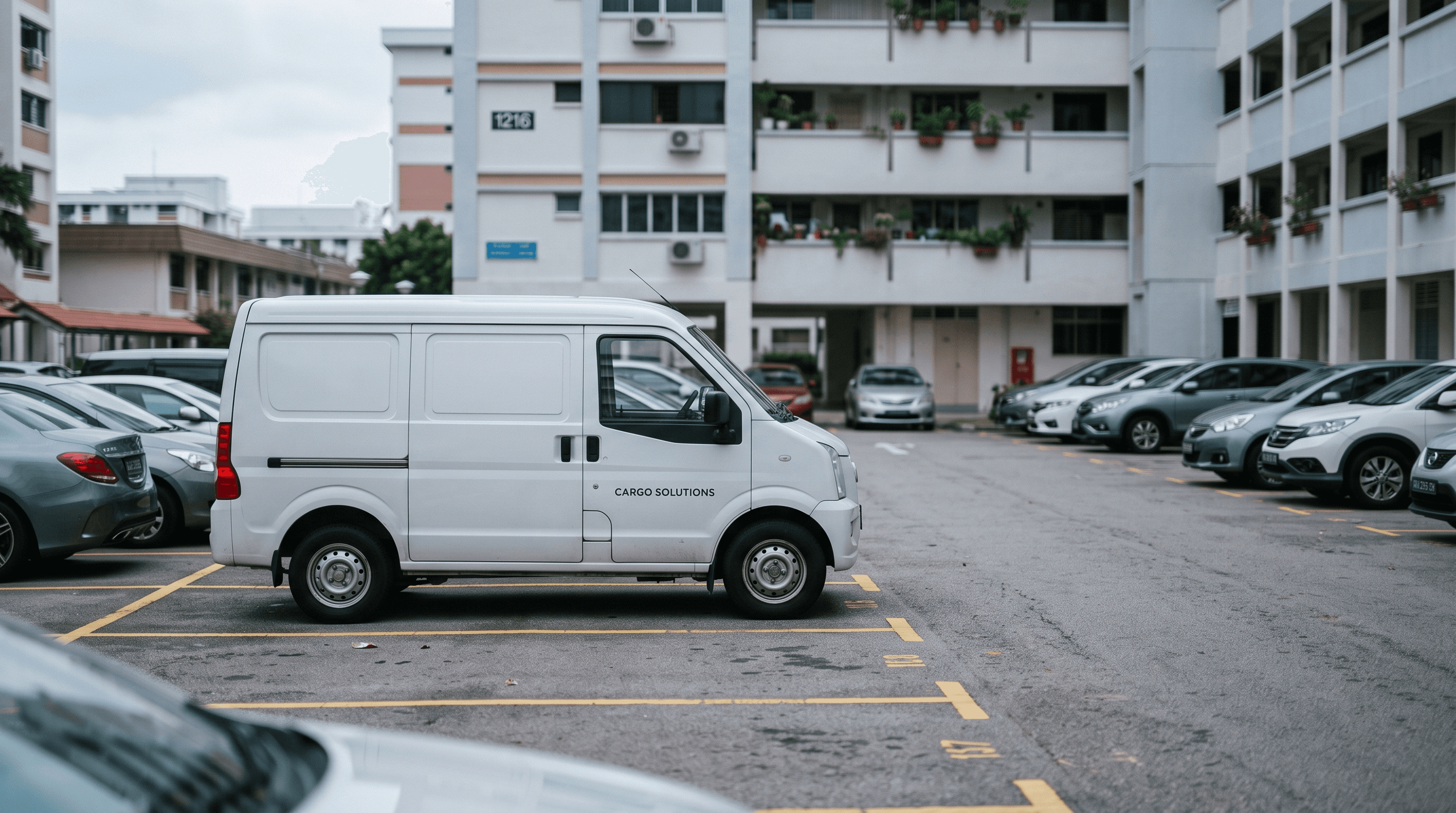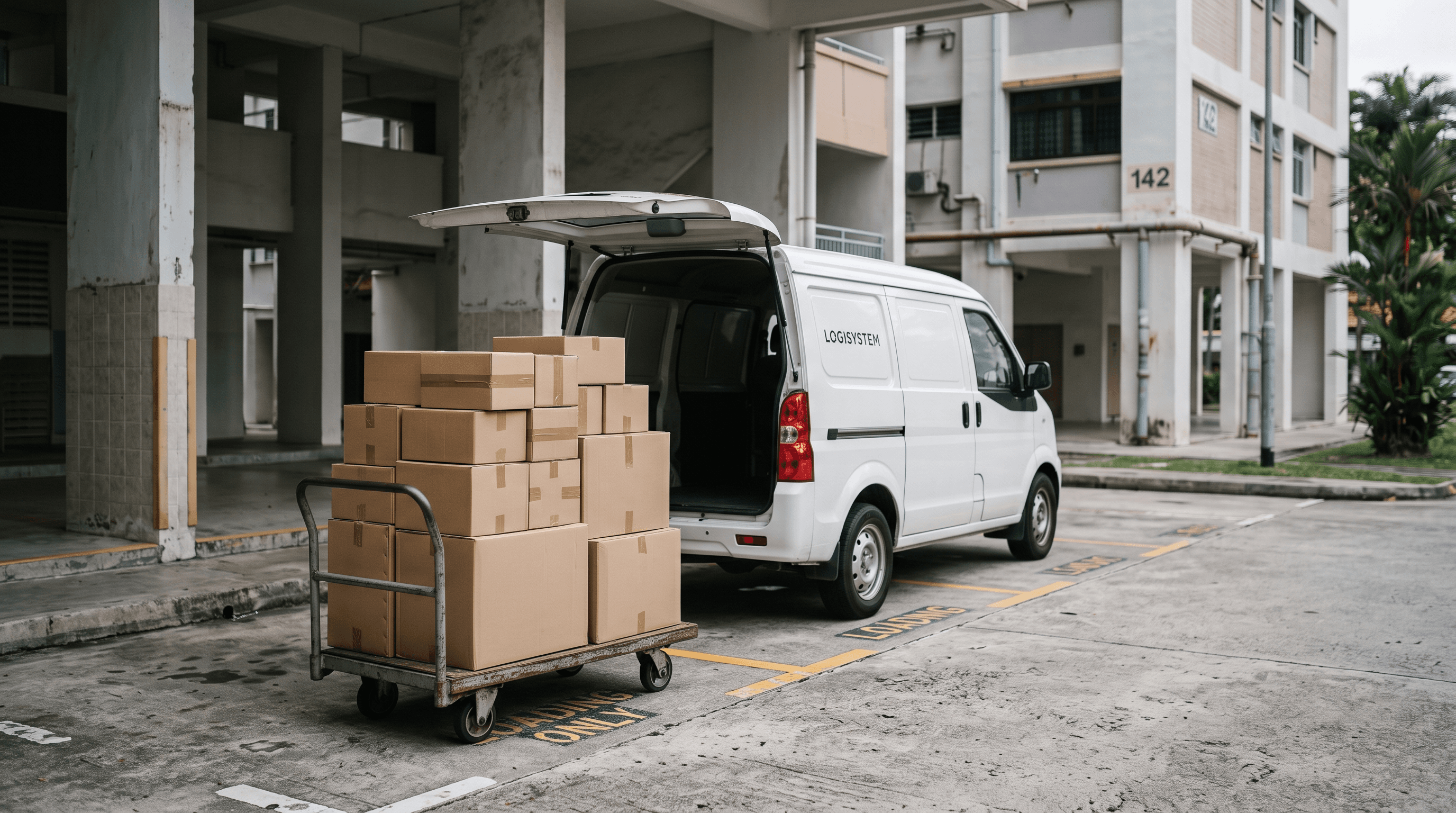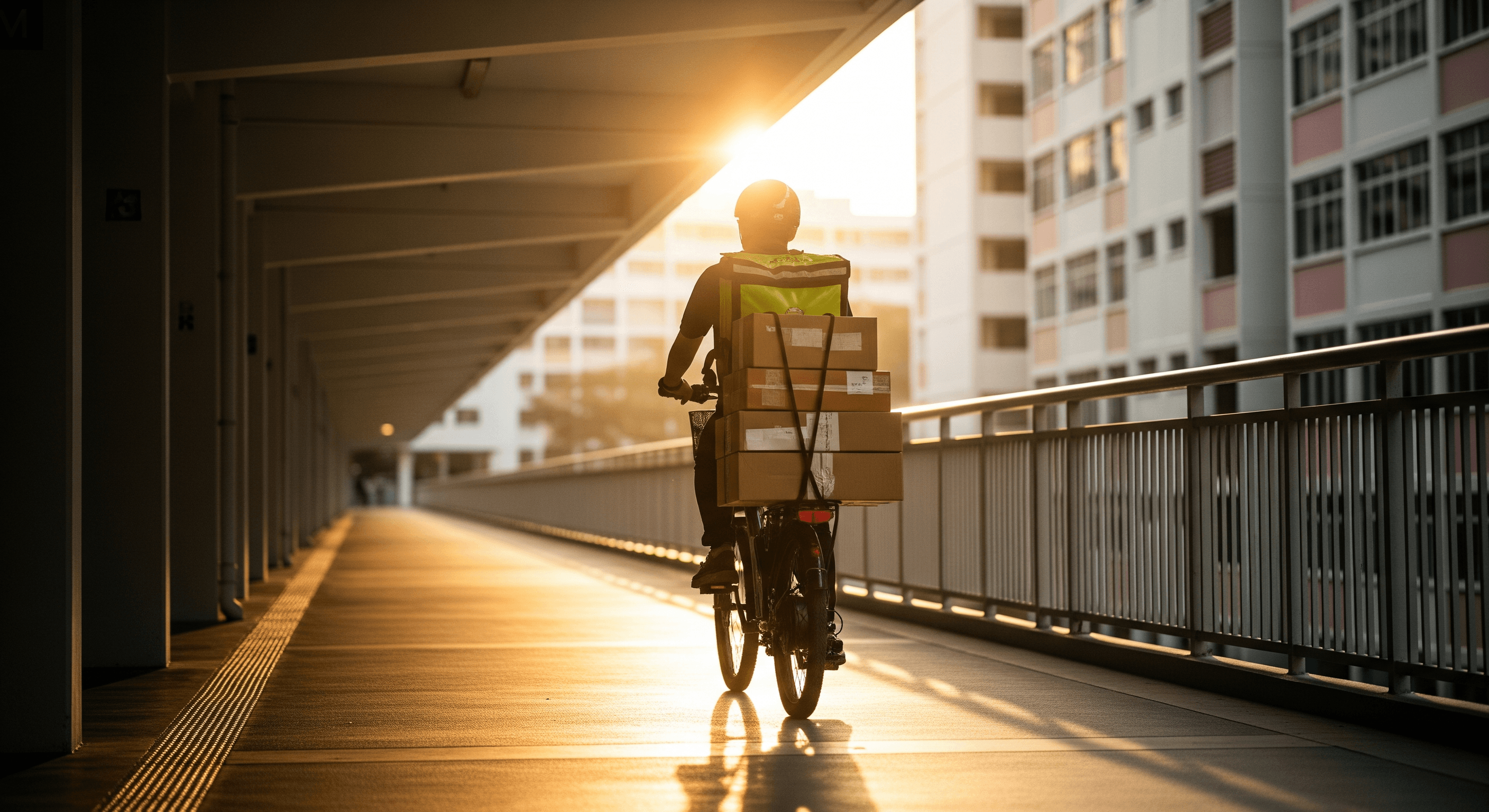
Last mile delivery now accounts for 53% of total shipping costs globally, up from 41% in 2018, according to a Statista study on worldwide logistics cost structures. This final leg of delivery is the most expensive part of getting products to customers.
The Last Mile Problem Is Universal
Every developed market struggles with last mile costs. The challenge is the same everywhere: delivering single packages across dispersed locations is inherently inefficient compared to consolidated shipments to centralized facilities.
The global last mile delivery market hit $184 billion in 2025 and is growing at 8.4% annually, according to industry research. E-commerce generates over 65% of this volume. Consumers expect speed, but 92% still want free shipping. That tension between speed and cost defines the economics of every delivery business.
What differs across markets is how geography, population density, and infrastructure shape those costs. Singapore and Hong Kong face radically different challenges than the sprawling suburbs of the US or the patchwork of urban and rural areas in the UK.
Singapore and Hong Kong Share the Density Problem
Singapore and Hong Kong have the highest population densities among developed markets. Singapore's central areas exceed 8,000 people per square kilometer. Hong Kong's average sits at 6,910 per square kilometer. This concentration creates both opportunity and challenge.
High density means more deliveries per route. A driver in Singapore can hit 150 to 200 parcels per day during peak sales events like 11.11, according to industry reports. That efficiency should lower costs. But density also means traffic, parking scarcity, and high-rise buildings without direct street access.
Hong Kong's streets carry over 12.6 million daily public transport journeys. Singapore competes with taxis, buses, and private vehicles for limited road space. Both cities have responded with similar solutions: smart lockers at MRT stations and community hubs, walking couriers in the most congested zones, and AI-powered route optimization.
Singapore's same-day delivery ranges from $6.60 to $9 depending on speed. Hong Kong sees similar pricing. The shared infrastructure challenges create shared cost structures.
For a deeper look at Singapore specifically, see what last-mile delivery actually costs local sellers and where the money goes.
The US and UK Face the Opposite Challenge
North America commands 38.5% of the global last mile market. The US processed an estimated 24 billion parcels in 2025. But American geography works against delivery efficiency.
Suburban sprawl means longer distances between stops. Rural deliveries stretch further still. Where a Singapore driver might cover 200 parcels in a condensed HDB estate, an American driver covers far fewer across miles of single-family homes and cul-de-sacs.
The UK sits somewhere between these extremes. Royal Mail's tracked next-day service starts at £4.19 (roughly $5.30 SGD). Premium carriers like DPD charge £22 or more for next-day delivery. A single failed delivery attempt costs UK businesses £8 to £12 in redelivery fees alone.
Failed deliveries hit all markets hard. Globally, about 5% of last mile deliveries fail on the first attempt, costing an average of $17.78 each according to industry data. In dense cities like Singapore, that failure rate climbs when drivers cannot reach apartments or customers are not home.
How These Costs Affect Local Sellers
For SMEs and online sellers, last mile costs directly impact pricing strategy and margins. In Singapore, where same-day delivery from $6.60 is competitive with or cheaper than UK and US equivalents, sellers have an advantage.
But costs are rising everywhere. Nearly 84% of e-commerce businesses reported last mile cost increases in the past year, with some seeing increases up to 90%. Fuel surcharges, labor shortages, and environmental regulations all push prices higher. Singapore is not immune. SingPost raised domestic mail rates effective January 2026. Private couriers adjust pricing quarterly.
The difference for Singapore sellers is infrastructure density. The Pick Network's 1,000 parcel lockers sit within a five-minute walk of most HDB households. Smart locker usage reduces failed deliveries that historically consumed up to 40% of driver time. This infrastructure does not exist at the same density in the US or even the UK.
Sellers can leverage this advantage with practical strategies to reduce last-mile costs through route optimization and batching.
Choose Predictable Pricing Over Variable Costs
Global trends point in one direction: last mile costs will keep rising. Fuel, labor, and regulatory compliance all add pressure. The question for sellers is how to manage that exposure.
Flat-rate delivery services protect margins from quarterly surcharge adjustments. When your cost per parcel is fixed and transparent, you can price products accurately. No surprises when fuel spikes or carriers adjust their rates.
BoxPls provides half-day support from $165 and full-day support from $299, depending on your business needs. No contracts, self-serve booking, on-demand across Singapore. We run your deliveries like we are part of your business. A 5% platform service fee applies at checkout, shown before you pay. This block model arrived with the August 2026 BoxPls restructure.
In a global market where last mile costs keep climbing, predictability is a competitive advantage.