Suez Canal traffic has dropped by 90% since Houthi attacks began targeting commercial vessels in late 2023. For Singapore, the world's second-busiest container port, the ripple effects are reshaping everything from delivery timelines to inventory costs.
The Red Sea Crisis Has Redrawn Global Shipping Routes
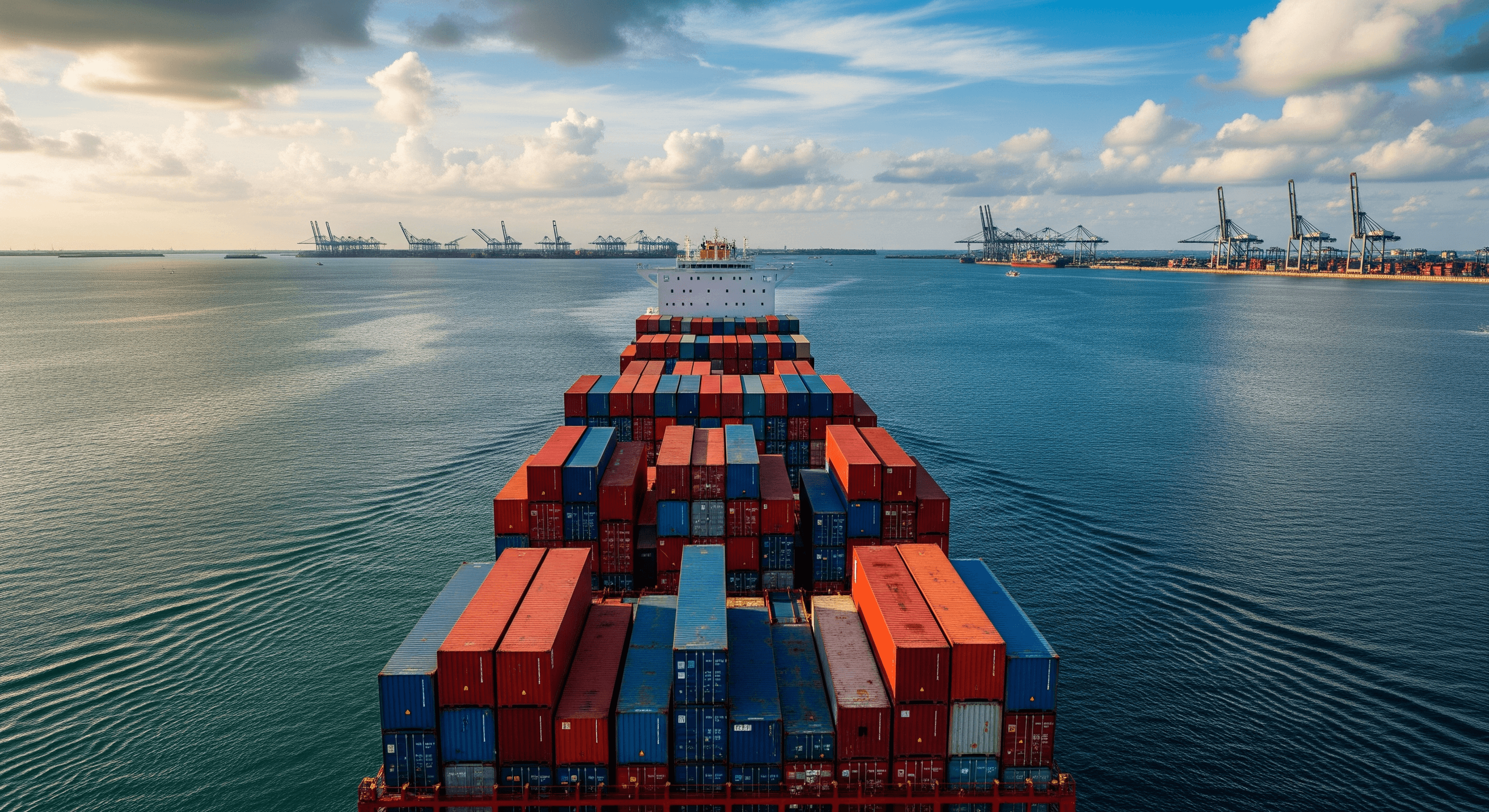
Ships are avoiding the Suez Canal entirely. What was once the fastest route between Asia and Europe now carries unacceptable risk. Commercial vessels rerouting around Africa's Cape of Good Hope add 10-15 days to every voyage.
This isn't a temporary disruption. The conflict shows no signs of resolution, and shipping lines have adapted their networks accordingly. Maersk, MSC, and other major carriers have made Cape routing their default for Asia-Europe trade. The Suez Canal, which handled 12-15% of global trade before the crisis, now processes a fraction of its former volume.
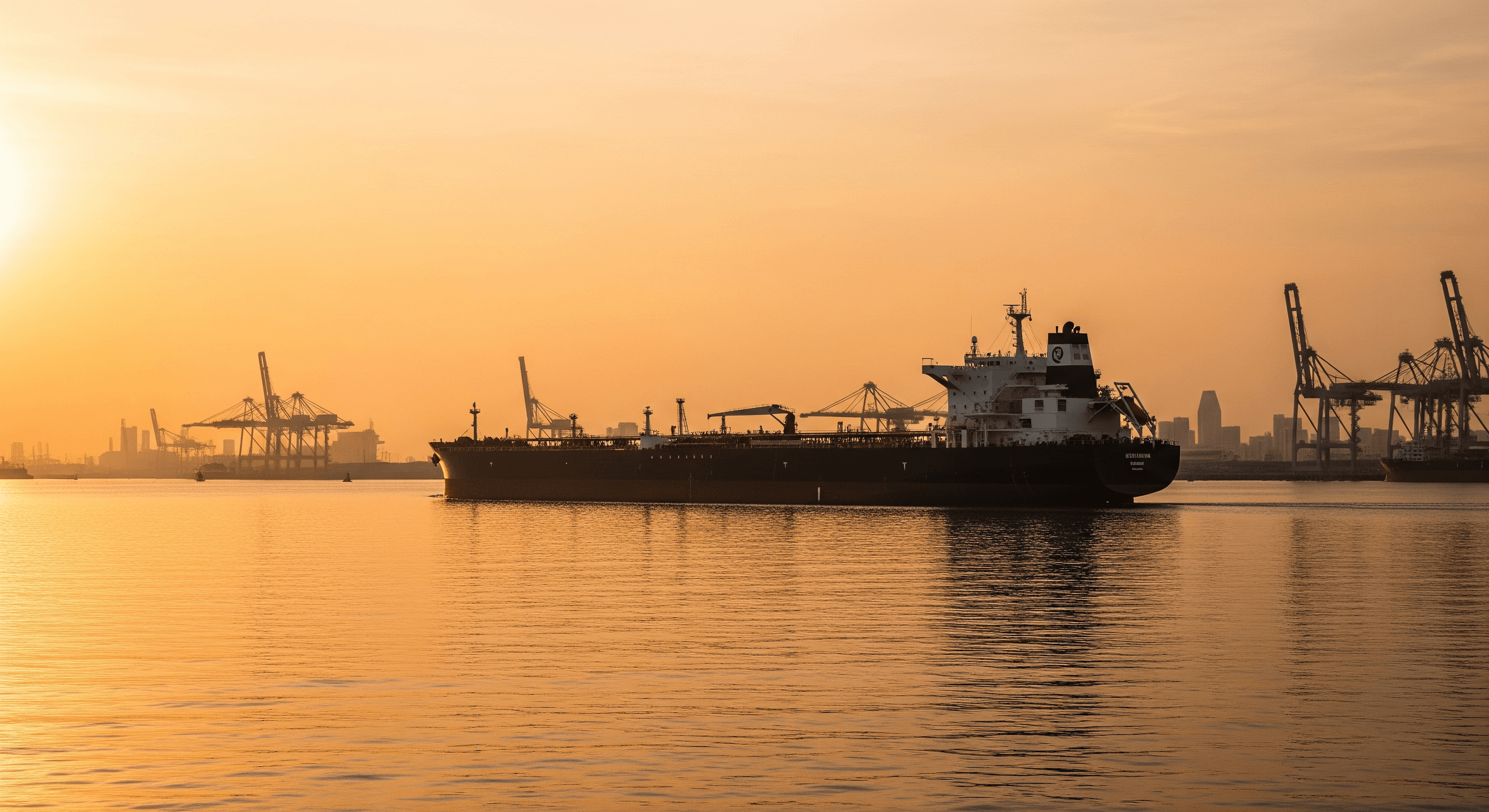
For Singapore, positioned as Asia's premier transshipment hub, this means fundamental shifts in vessel scheduling, port congestion, and ultimately, what local businesses pay to move goods.
Freight Rates Remain 39-68% Above Pre-Crisis Levels
The cost of moving containers hasn't normalized. According to 2025 shipping data, Asia-Europe freight rates remain 39-68% higher than before the Red Sea disruptions began.
The math is straightforward. Longer routes mean more fuel, more crew time, and fewer annual voyages per vessel. Shipping lines pass these costs through. What cost $1,500 per container in 2023 now costs $2,500 or more on the same trade lane.
For Singapore importers, this translates directly to higher landed costs. A business importing European goods, whether machinery, specialty foods, or consumer products, now pays significantly more per shipment. Those costs either compress margins or get passed to customers.
The situation is worse for time-sensitive cargo. Perishables that once moved via Suez in 25-30 days now face 40+ day journeys. Some trade simply isn't viable anymore at current rates and transit times.
Singapore's Port Is Experiencing Vessel Bunching
Irregular schedules create operational chaos. When ships avoid Suez and take the longer Cape route, they don't arrive at predictable intervals. This phenomenon, called vessel bunching, overwhelms port infrastructure in waves.
Singapore's PSA terminals have reported increased congestion as multiple vessels arrive within narrow windows, followed by quieter periods. The uneven flow strains container handling equipment, truck scheduling, and warehouse capacity.
For local businesses, vessel bunching means unpredictable lead times. Your container might clear customs in two days during a slow period or sit for a week during a surge. Planning inventory becomes guesswork rather than science.
The port has responded by extending operating hours and adding equipment, but the fundamental problem persists. Until shipping schedules stabilize, which requires either Suez reopening or complete network reconfiguration, congestion will remain elevated.
War-Risk Insurance Premiums Have Spiked 500%
Insurance costs compound the freight rate increases. Vessels transiting the Red Sea corridor, for those that still attempt it, face war-risk premiums that have increased by 500% since the attacks began.
Even ships taking the Cape route pay elevated premiums. The broader instability in the region, including concerns about potential disruption spillover, has hardened the marine insurance market globally.
These insurance costs layer on top of fuel surcharges, equipment fees, and base freight rates. For Singapore businesses calculating total logistics spend, the insurance component that barely registered two years ago now demands attention.
Some smaller shipping lines have exited certain trade lanes entirely, unable to absorb or pass through the insurance burden. This reduces competition and further supports elevated pricing.
What This Means for Singapore Sellers
Your supply chain assumptions from 2023 are outdated. The Red Sea crisis has permanently altered several logistics fundamentals that Singapore businesses must adapt to.
Lead times are longer and less predictable. If you source from Europe, the Middle East, or the Mediterranean, add 2-3 weeks to your planning horizon. Buffer stock levels need adjustment.
Landed costs are higher. Whether you absorb this or pass it through depends on your market position, but ignoring it erodes margin. Review your pricing quarterly, not annually.
Supplier diversification matters more. Single-source suppliers in affected regions create concentrated risk. Consider secondary suppliers in Asia-Pacific where logistics remain more stable.
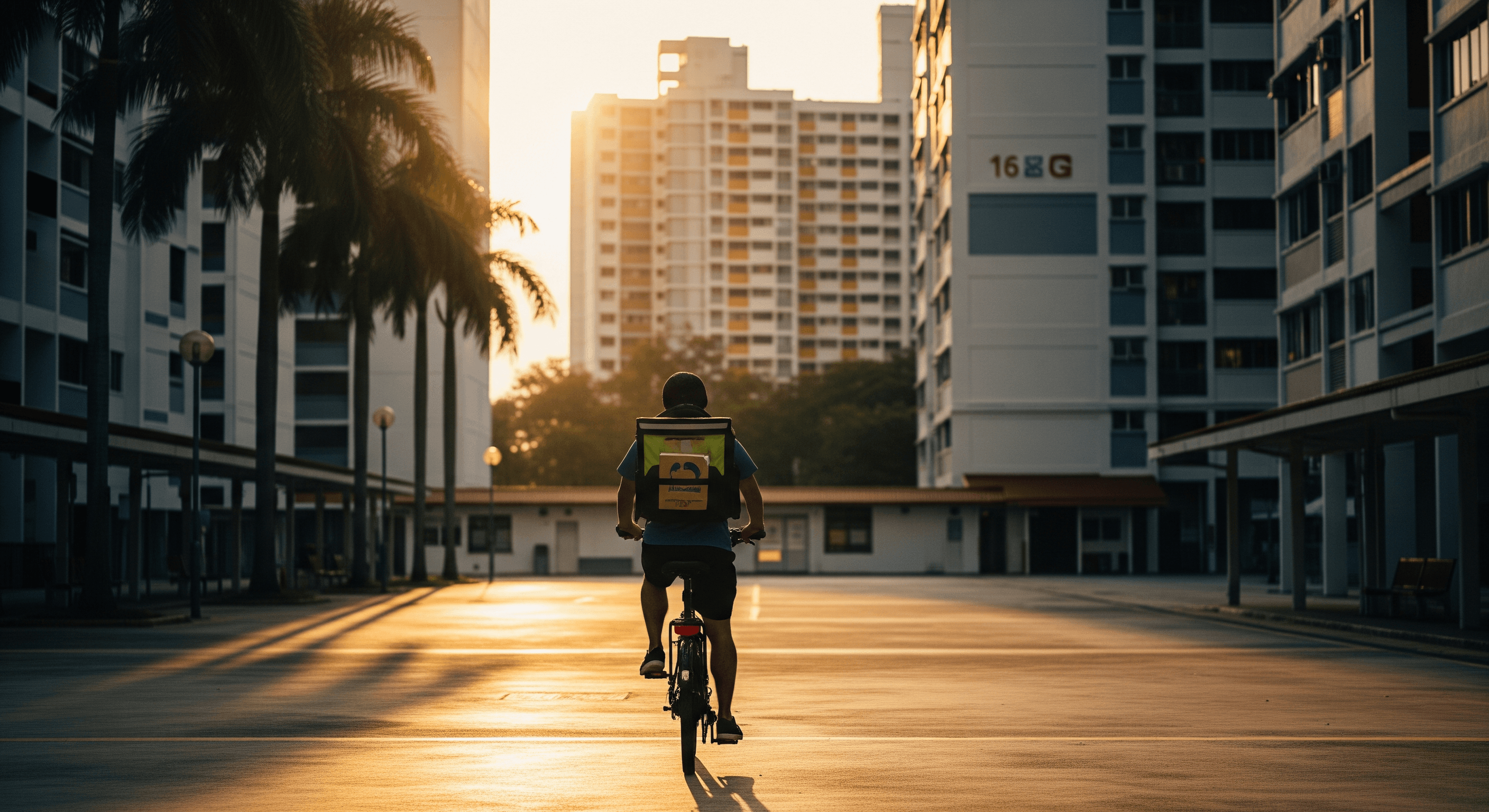
Local and regional alternatives gain appeal. Same-day delivery within Singapore becomes more valuable when international supply chains are unreliable. Customers appreciate speed they can count on when global shipping can't guarantee timelines.
The Domestic Advantage: Why Local Logistics Matter More Now
Global uncertainty makes local reliability a competitive edge. When your international shipments face 40-day transits and unpredictable delays, your ability to fulfill orders quickly within Singapore becomes a differentiator.
Customers have recalibrated expectations for international purchases. They understand global shipping is disrupted. But they haven't lowered expectations for local orders. If anything, fast domestic delivery stands out more when contrasted against uncertain international timelines.
For Singapore sellers, this creates opportunity. Emphasize your local fulfillment capability. Stock deeper on proven sellers. Offer same-day delivery as a tangible benefit that global competitors can't match from overseas warehouses.
The businesses thriving through this disruption are those treating domestic logistics as a strategic asset, not just an operational cost. When you can promise delivery tomorrow and actually deliver, you win customers whose international orders are stuck in transit.
Adapting Your Business to the New Normal
The Red Sea crisis isn't a temporary disruption to wait out. It's a structural shift in global trade that demands strategic response.
Review your supplier geography. Prioritize regional sources where possible. Build relationships with secondary suppliers before you need them urgently.
Adjust your inventory strategy. Safety stock levels calibrated for 30-day lead times don't work for 45-day realities. The carrying cost of extra inventory is cheaper than stockouts.
Invest in domestic delivery capability. Whether you use multi-stop delivery for volume or single drops for urgent orders, fast local fulfillment is now a competitive advantage worth paying for.
BoxPls offers transparent, same-day delivery across Singapore. When global supply chains are uncertain, local reliability matters more than ever. BoxPls moved to a fixed block model with the August 2026 BoxPls restructure.
Frequently Asked Questions
How has the Red Sea crisis affected shipping to Singapore?
The Red Sea crisis has caused ships to reroute around Africa's Cape of Good Hope, adding 10-15 days to Asia-Europe voyages. For Singapore, this means longer lead times for European imports, higher freight costs (39-68% above pre-crisis levels), and increased port congestion from irregular vessel arrivals. The Suez Canal, which previously handled 12-15% of global trade, has seen traffic drop by 90%.
Why are freight rates still high in 2026?
Freight rates remain elevated because ships are taking longer routes that consume more fuel and crew time, reducing the number of voyages each vessel can complete annually. War-risk insurance premiums have also increased by 500% for affected routes. These costs compound and get passed through to shippers. Rates are 39-68% higher than pre-crisis levels with no clear timeline for normalization.
How should Singapore businesses adapt to Red Sea disruptions?
Singapore businesses should extend their planning horizons by 2-3 weeks for European and Middle Eastern imports, increase safety stock levels, diversify suppliers toward Asia-Pacific sources where possible, and invest in strong domestic fulfillment capabilities. Fast local delivery becomes a competitive advantage when international supply chains are unreliable.
Will the Red Sea shipping situation improve in 2026?
The situation shows no signs of quick resolution. Houthi attacks on commercial vessels continue, and major shipping lines have made Cape routing their default rather than a temporary measure. Businesses should plan for this being the new normal rather than waiting for a return to pre-crisis conditions. Some analysts expect elevated rates and longer transit times to persist through 2026 and beyond.
How does the Red Sea crisis affect last-mile delivery in Singapore?
The Red Sea crisis primarily affects international shipping, not domestic last-mile delivery. However, the disruption creates indirect effects: businesses may face inventory shortages, customers may shift purchasing toward local sellers with reliable stock, and the value of fast domestic delivery increases when contrasted against uncertain international timelines. Local logistics reliability becomes a competitive differentiator.