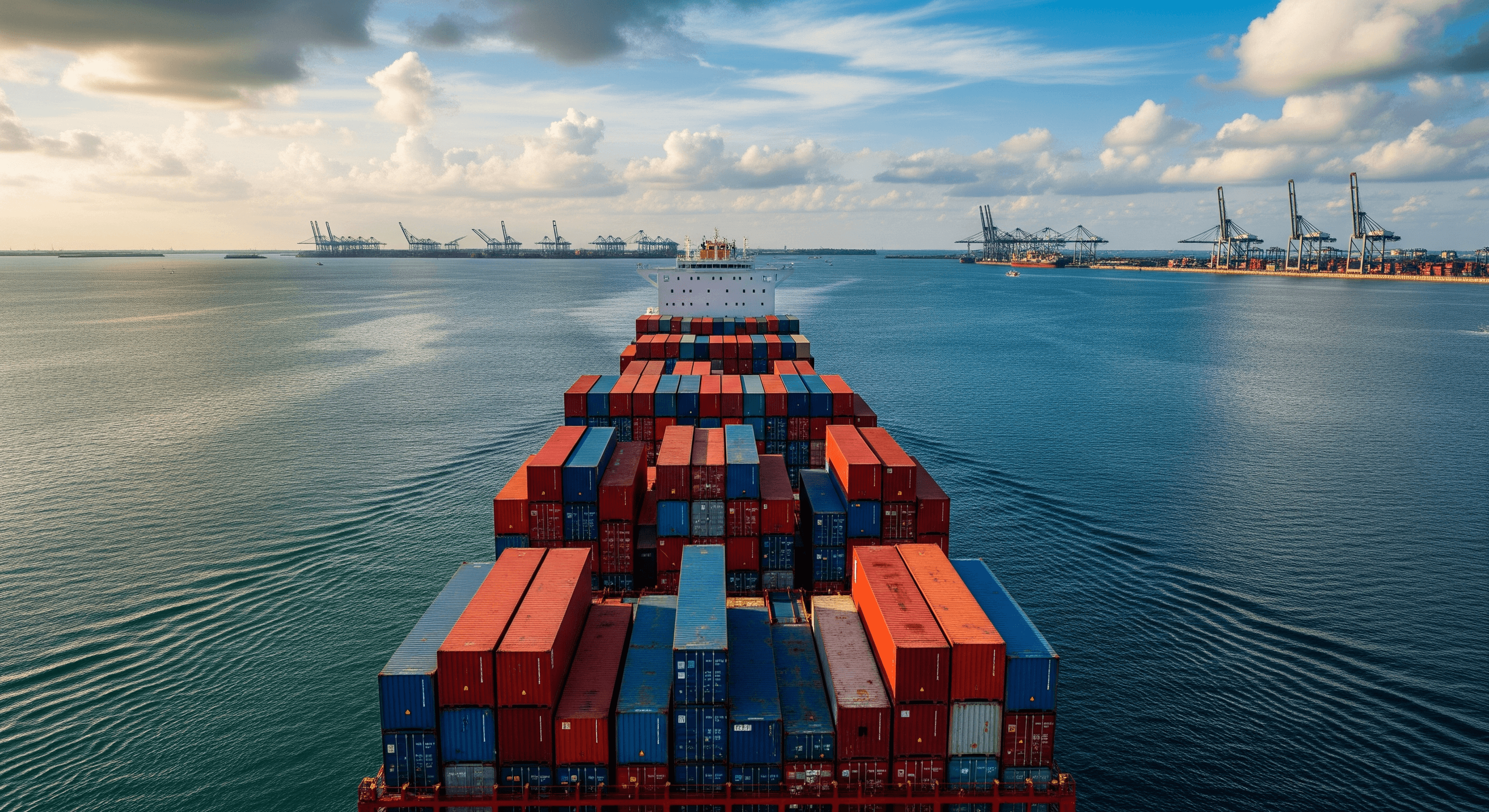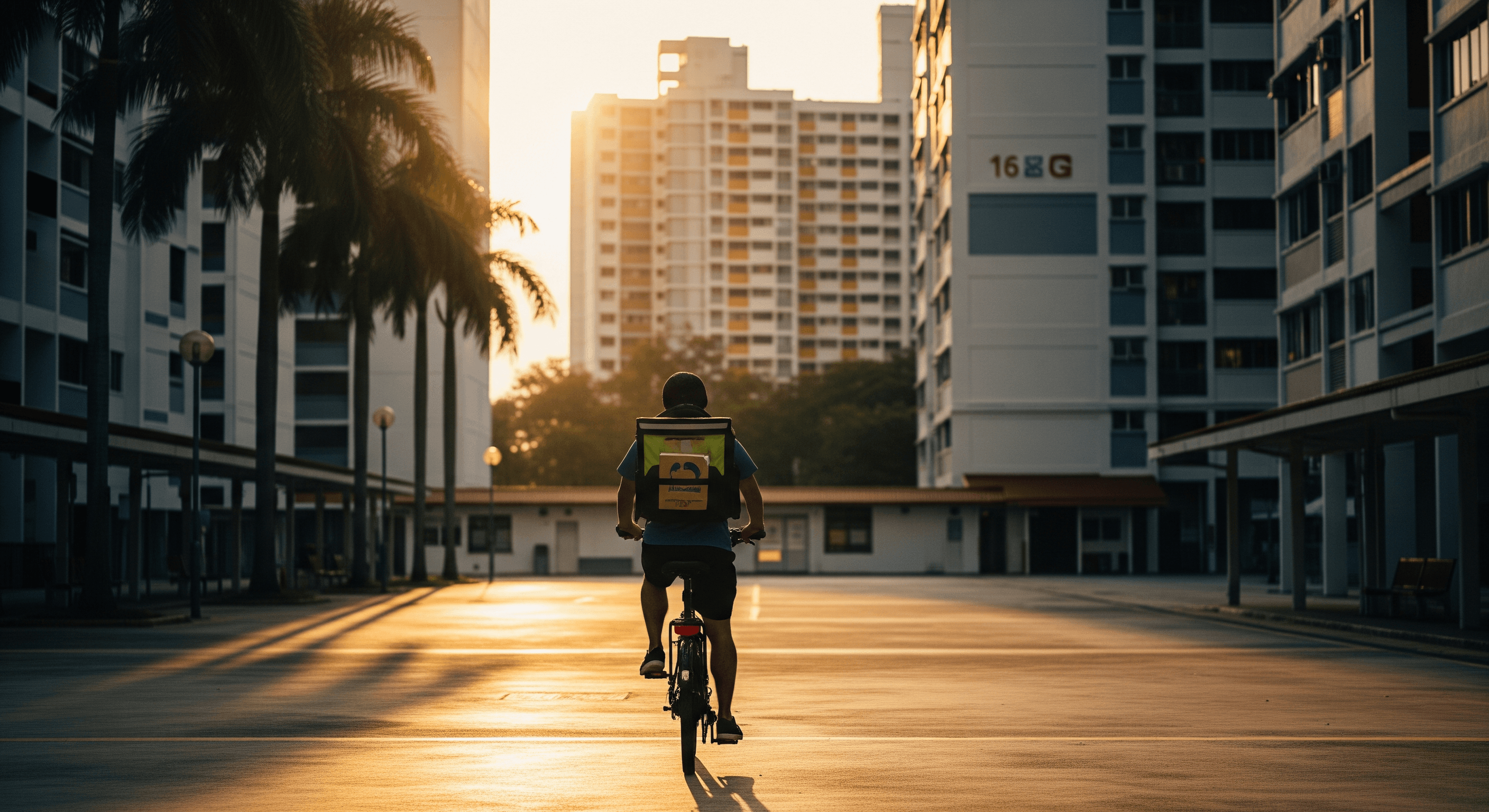
Singapore's last-mile delivery market is expected to grow from $12.98 billion in 2025 to $25.57 billion by 2031, according to Mordor Intelligence. That's nearly double in six years, driven by e-commerce growth and rising consumer expectations.
Consumer expectations have permanently shifted.
According to a Nielsen survey, 85% of Singaporean consumers now expect same-day or next-day delivery when shopping online. Sixty percent say they would abandon a platform entirely if their orders are delayed.
This is not a temporary spike from pandemic habits. It is the new baseline. In May 2025, Shopee reported a 13-fold surge in next-day fulfilment demand, with 51% of shoppers expecting deliveries within two days.
For sellers, speed is no longer a differentiator. It is table stakes. If you are still offering 3-5 day delivery windows, you are competing at a disadvantage against sellers who can promise tomorrow or today.
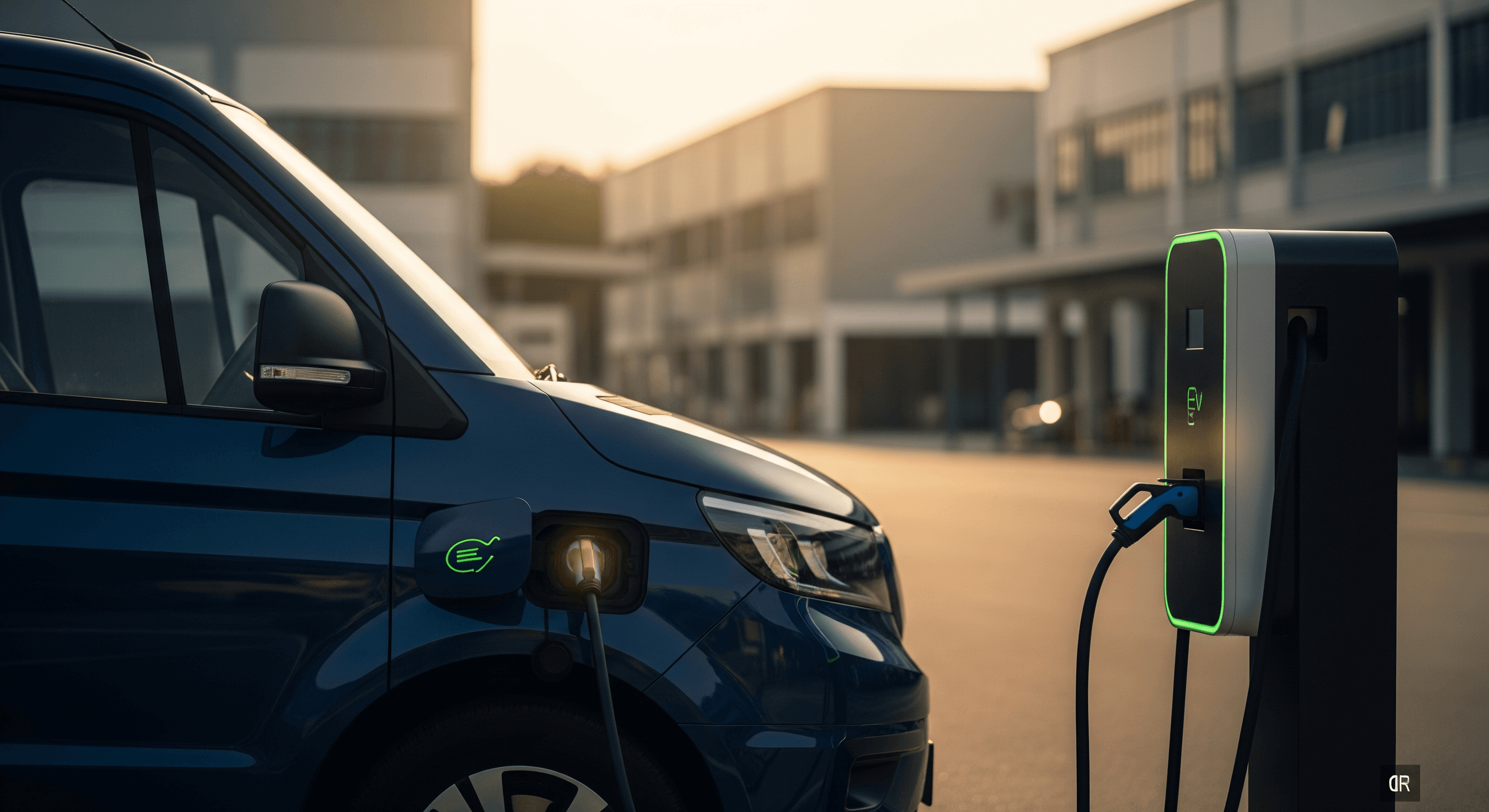
Electric vehicles are becoming the standard fleet.
FedEx Singapore now operates 39 electric Mercedes-Benz eVito vans, avoiding an estimated 186 tonnes of CO2 emissions annually. More than a quarter of their Singapore pickup and delivery fleet is now electric.
DHL Express Singapore went further, deploying 90 EVs by late 2022 and investing close to SGD 8 million into fleet electrification over five years. Their goal: electrify 30% of daily routes and eliminate 323 tonnes of carbon emissions annually.
The Singapore government is accelerating this transition by building a network of 60,000 EV charging points and offering cash incentives for zero-emission commercial vehicles. By 2027, the Logistics Sustainability Professionals Program aims to train 500 sustainability officers across the industry.
For logistics operators weighing the switch, our electric vs petrol delivery vehicle cost comparison breaks down the 5-year TCO with real Singapore numbers.
For sellers, this means delivery partners will increasingly compete on environmental credentials. Choosing a provider with a modern, efficient fleet is not just a cost decision. It is a brand decision.
Drone delivery is closer than you think. But not here yet.
The DrN-600, a joint Israeli-Singaporean electric cargo drone with a 100kg payload capacity, is scheduled to begin test flights in Q2 2026. Commercial operations are planned for 2028.
Asia Pacific has emerged as the fastest-growing regional market for delivery drones, with a compound annual growth rate of 52.3% according to Coherent Market Insights.
But Singapore faces unique challenges. Dense population, limited airspace, proximity to Changi Airport, and public acceptance concerns have slowed adoption. Research from Nanyang Technological University shows Singaporeans are much less keen on drones flying over residential areas than industrial zones.
For sellers, drone delivery is not a near-term solution. Focus on providers who are optimising today's infrastructure rather than waiting for tomorrow's technology.
Smart routing is where the real savings are.
Express delivery services in Singapore are growing at 7.1% annually through 2031, according to Mordor Intelligence. Standard delivery still holds 52% market share, but speed is becoming the competitive weapon.
The gap is not just about having more vehicles. It is about using them smarter. Route optimisation technology can reduce delivery costs by 20-30% according to McKinsey research.
Most traditional couriers batch your parcels with thousands of others, optimising for their network, not your deliveries. You pay per parcel with no visibility into how routes are planned.
Multi-stop delivery with smart routing changes this. When your five deliveries are planned as one optimised route, the per-stop cost drops. The question is whether those savings reach you or stay with the platform.
We cover four practical approaches in how to reduce last-mile logistics costs, from batching by location to cutting failed deliveries.
Choose delivery partners built for where the market is going.
The future of last-mile delivery in Singapore is faster, greener, and more transparent. Consumer expectations will keep rising. Electric fleets will become standard. Autonomous delivery will arrive, eventually.
But the fundamentals matter now. Real-time tracking. Transparent pricing. Route optimisation that passes savings to you. Same-day reliability that protects your seller ratings.
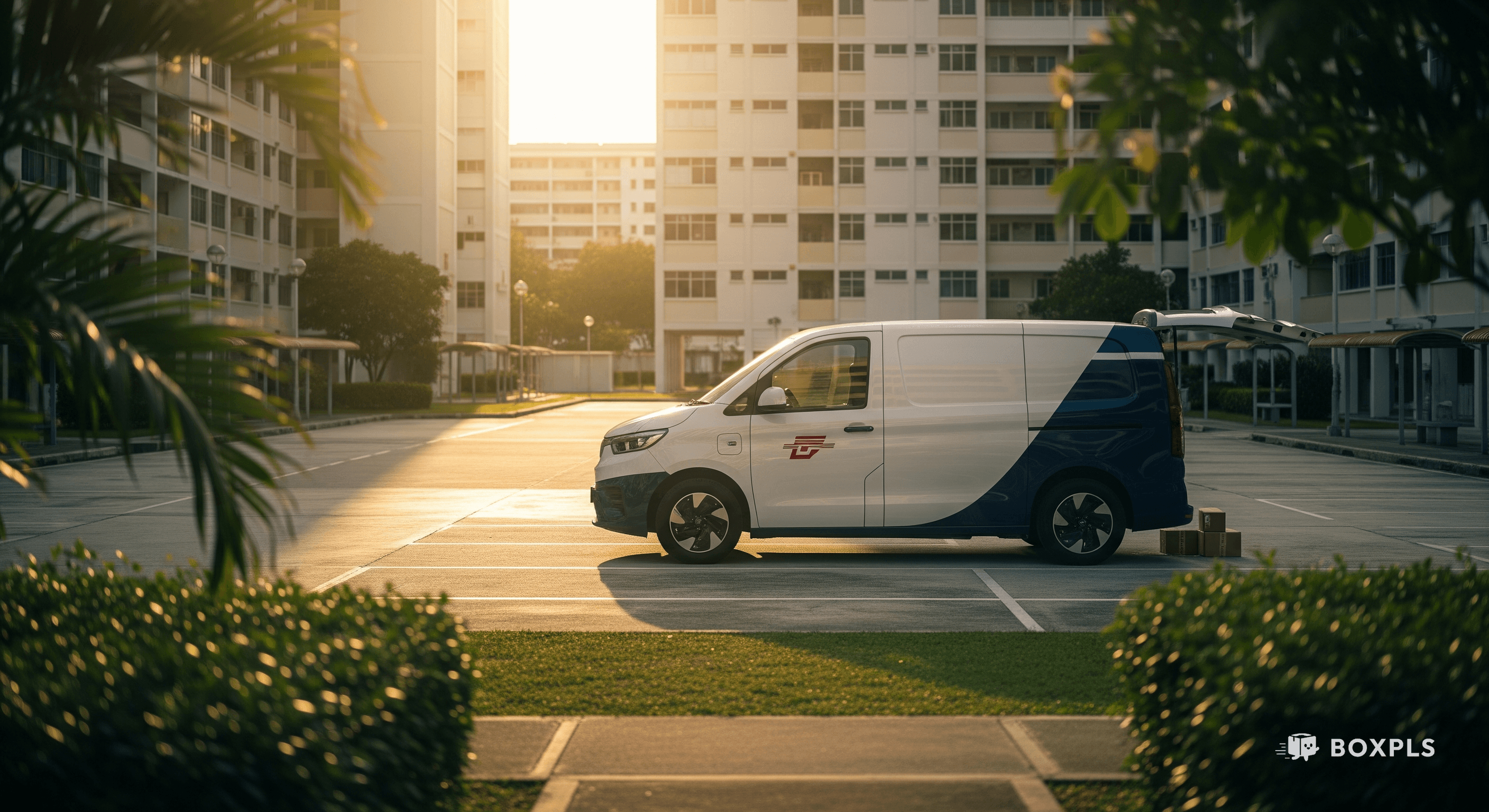
BoxPls provides half-day support from $165 and full-day support from $299, depending on your business needs. No contracts, self-serve booking, on-demand across Singapore. We run your deliveries like we are part of your business. A 5% platform service fee applies at checkout, shown before you pay. This block model arrived with the August 2026 BoxPls restructure.