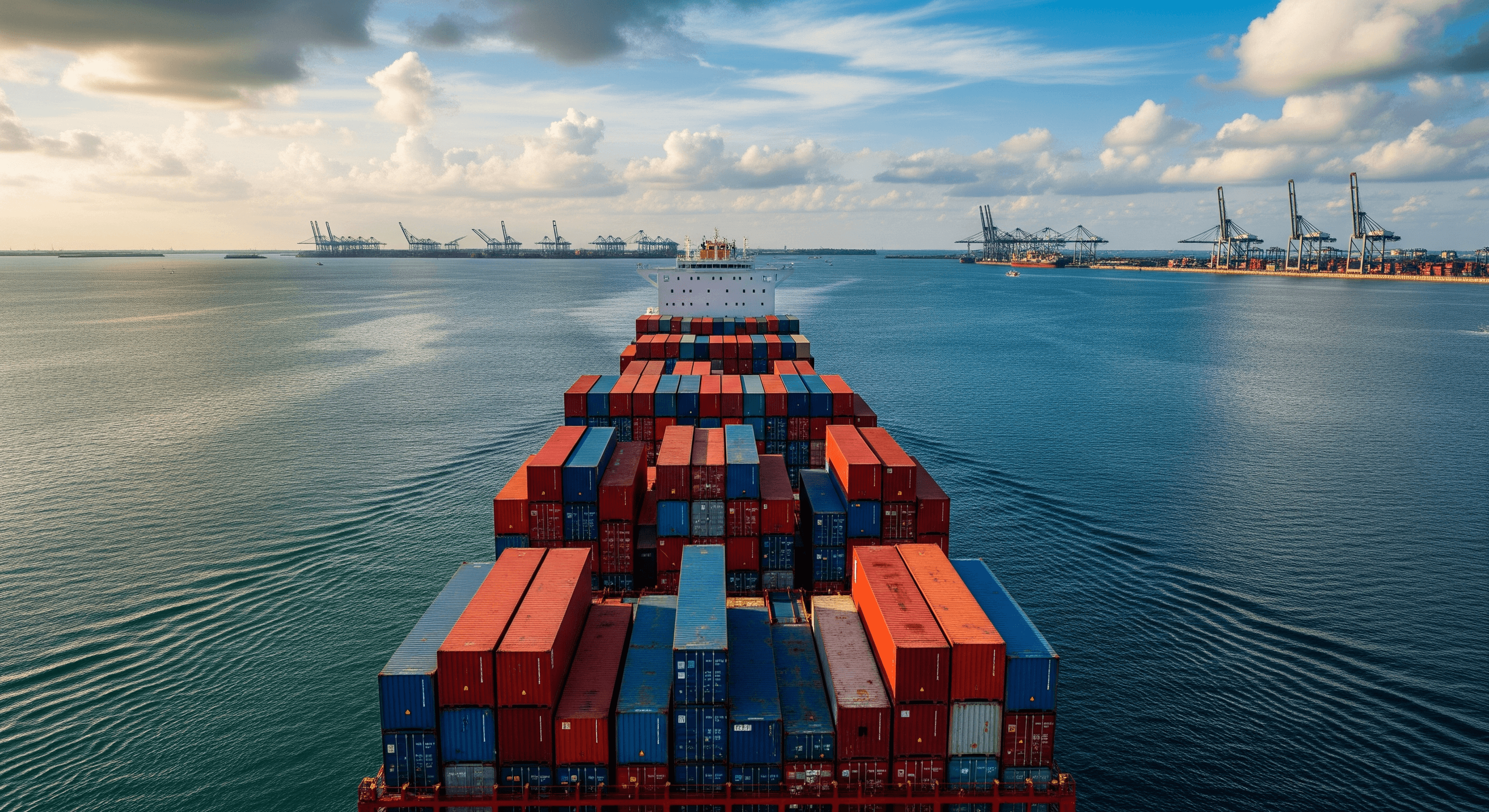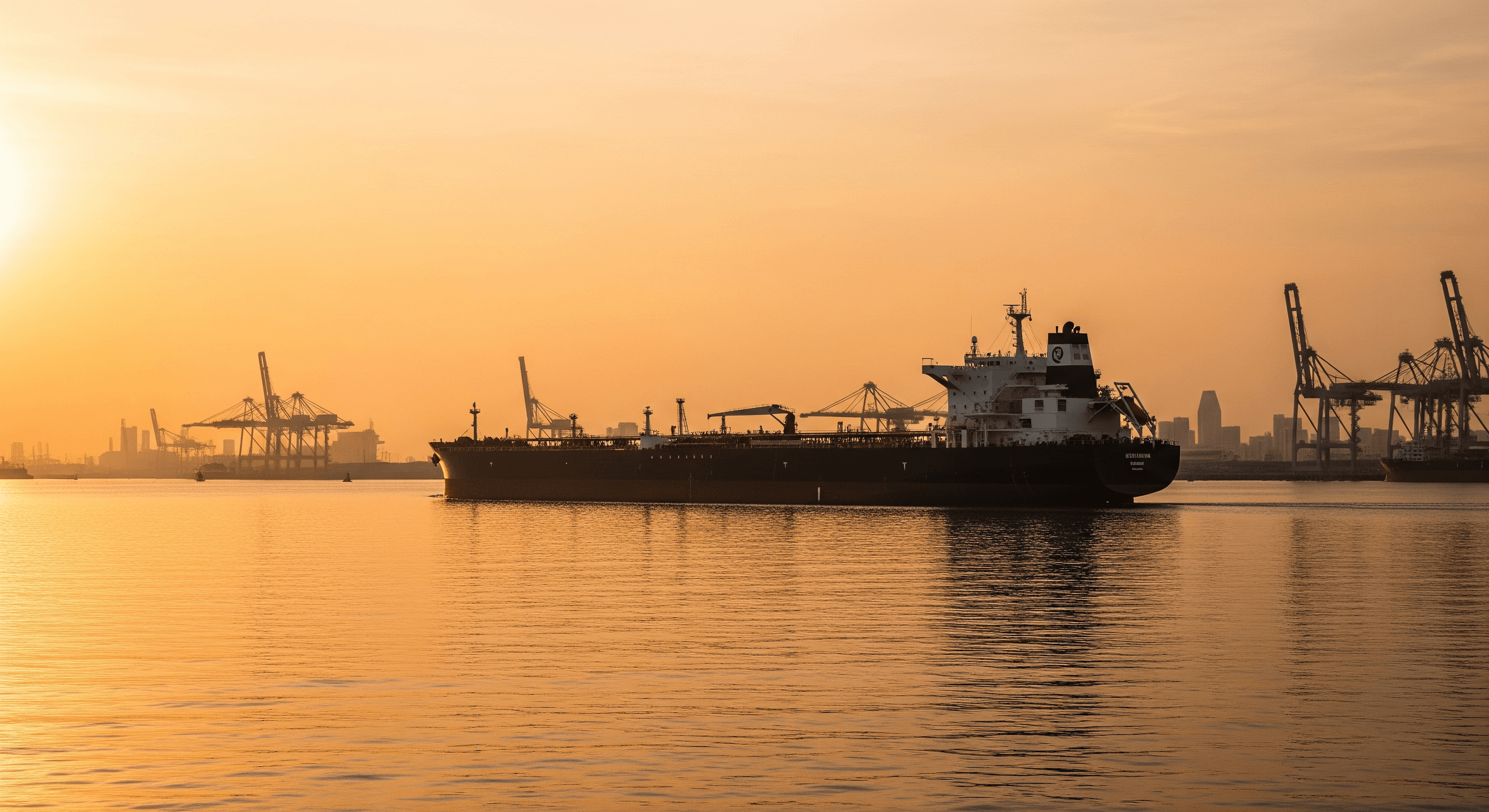
Ship traffic through the Strait of Hormuz has dropped from 100 vessels per day to just six since early March 2026, according to IMF PortWatch data. Singapore imports over 70% of its oil through this chokepoint.
The World's Most Critical Oil Route Is Nearly Shut
The Strait of Hormuz carries 20 million barrels of oil per day. That represents 34% of global crude oil trade, according to the International Energy Agency. When it closes, the ripple effects hit Singapore within days.
Since late February 2026, military conflict has reduced traffic through the strait to a trickle. Major shipping lines including Maersk, CMA CGM, and Hapag-Lloyd have suspended transits entirely. Vessels are now rerouting around the Cape of Good Hope, adding weeks to transit times, the same detour we saw during the Red Sea crisis and its effect on Singapore logistics.
For Singapore, the impact is direct. More than 70% of the city-state's oil comes from the Middle East. Singapore gasoil prices reached $143.88 per barrel by mid-March, a 57% increase from pre-crisis levels, according to industry reports. Jet fuel climbed even higher, up 114% to nearly $200 per barrel.
If you run a business that relies on delivery, these numbers are about to show up in your operating costs.
Fuel Surcharges Are Climbing Fast
Bunker fuel prices have doubled since February. The average price of very low sulphur fuel oil (VLSFO) across major bunkering hubs hit $1,005 per tonne, the highest since July 2022.
Logistics providers pass these costs through fuel surcharges. MSC announced emergency fuel surcharges across multiple trade lanes effective March 16, 2026. UPS updates its index-based fuel surcharges monthly. For SMEs shipping internationally or locally, these add up quickly.
A full petrol tank that cost $90 before the crisis now costs $110 or more. For delivery fleets, multiply that across dozens of trips daily. Ride-hailing platforms like Grab and Gojek have already implemented fuel surcharges to offset driver costs.
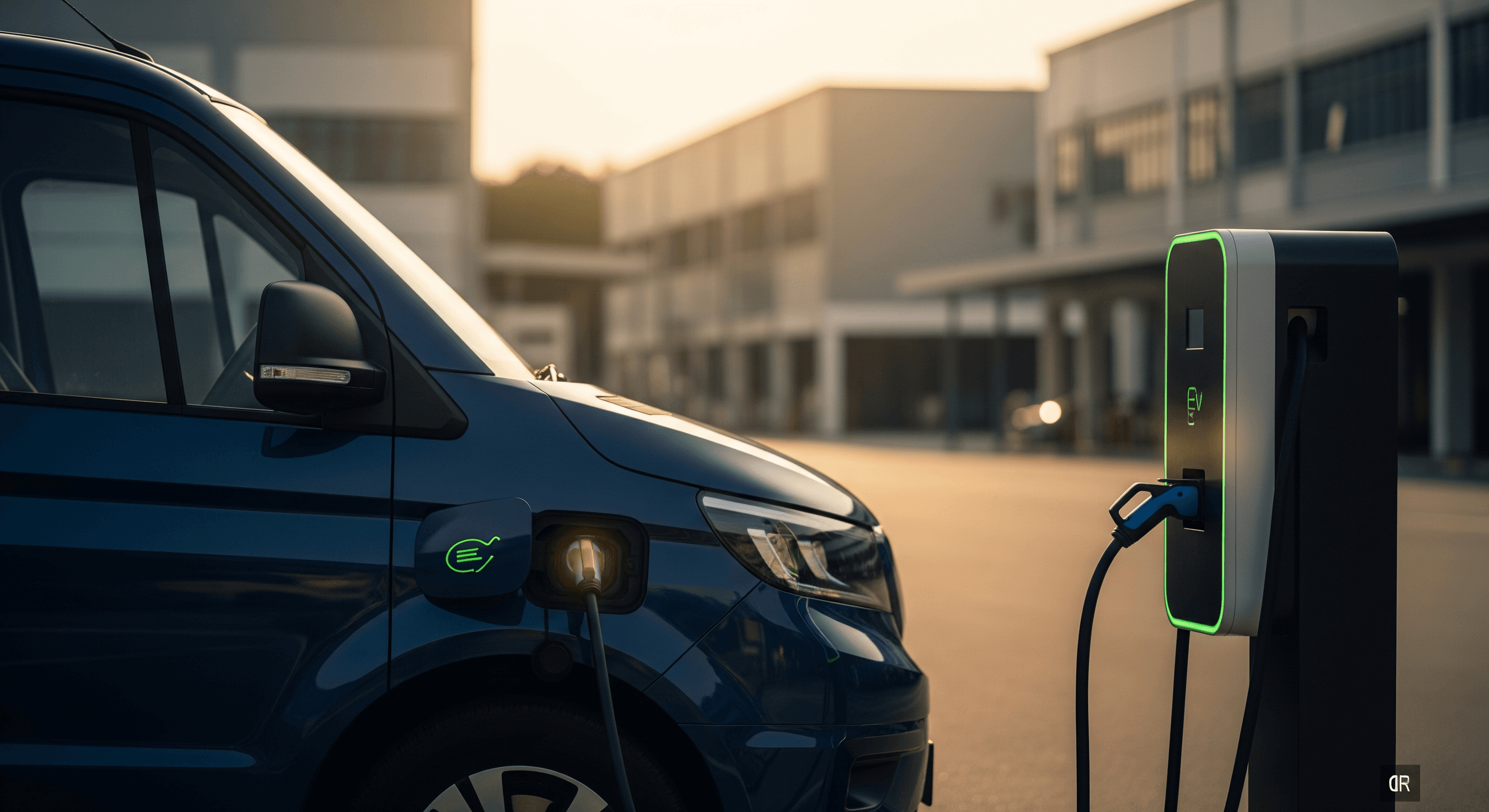
This volatility is accelerating the shift to electric vehicles. Our analysis of electric vs petrol delivery vehicle costs shows EVs now offer 70% lower running costs, a gap that widens with every fuel price spike.
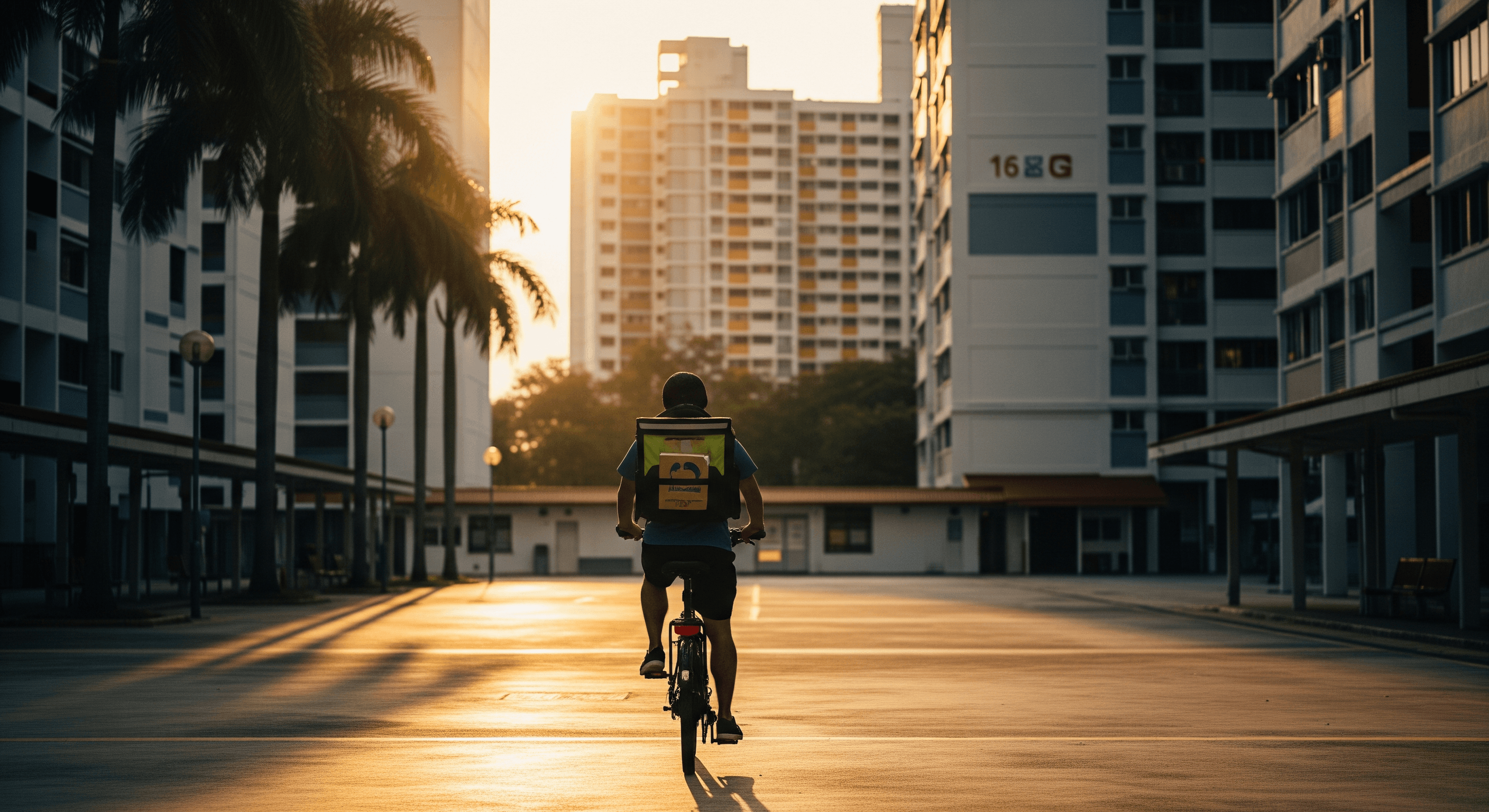
Last-mile delivery already accounts for up to 53% of total shipping costs for e-commerce sellers, according to industry research. Rising fuel prices push that share even higher. The question is not whether your delivery costs will increase. It is by how much.
Singapore SMEs Feel the Squeeze First
Singapore imports over 90% of its food and depends heavily on Middle Eastern energy. When global supply chains tighten, local businesses absorb the impact before consumers notice.
Emergency bunker surcharges in 2025 were already up 25% from fuel volatility and IMO environmental rules. The current crisis adds another layer. Mid-size shipping operations are seeing cash flow impacts of $50,000 or more per month, according to FreightAmigo analysis.
For small sellers on Shopee or Carousell, the maths is simpler but no less painful. If your delivery partner raises rates by 15-20%, that comes directly from your margins. Pass it to customers and you risk losing sales. Absorb it and you lose profit.
The good news: practical strategies exist to reduce these costs through route optimization and batching, savings that become even more valuable during price volatility.
SingPost raised domestic mail rates by ten cents effective January 2026, with Standard Regular Mail now at $0.62. These incremental increases add up across hundreds of parcels monthly. The businesses that survive are those that control what they can control.
Lock In Predictable Delivery Costs Now
You cannot control oil prices or geopolitical events. You can control your choice of delivery partner and pricing structure.
Flat-rate delivery services insulate you from fuel surcharge volatility. When you know the exact cost before booking, you can price your products accurately and protect your margins. No surprises, no monthly surcharge adjustments eating into profit.
BoxPls provides half-day support from $165 and full-day support from $299, depending on your business needs. No contracts, self-serve booking, on-demand across Singapore. We run your deliveries like we are part of your business. A 5% platform service fee applies at checkout, shown before you pay. This block model arrived with the August 2026 BoxPls restructure.
In uncertain times, predictability is a competitive advantage. Lock in your delivery costs and focus on what you do best.