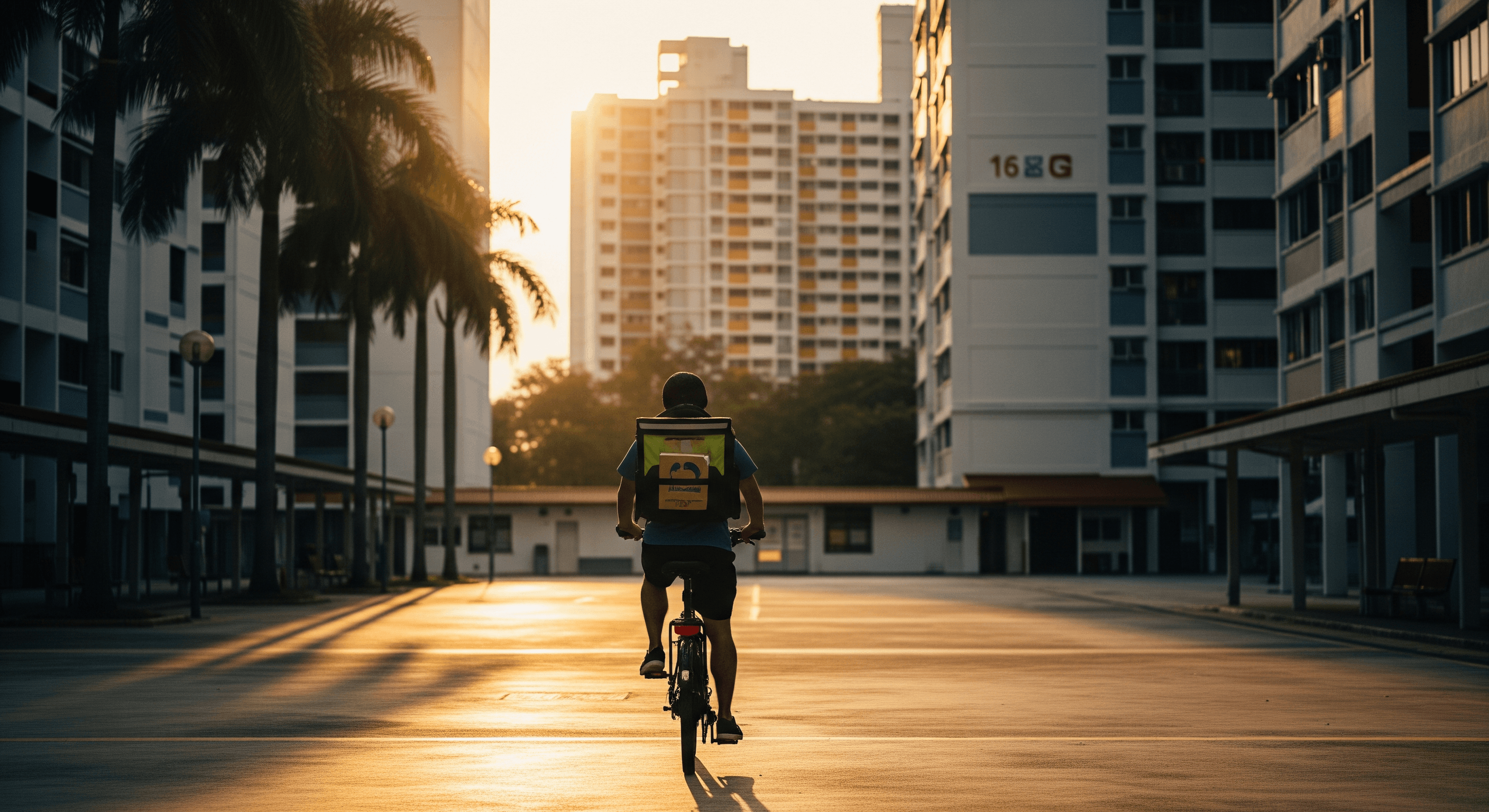
Singapore has approximately 14,700 delivery riders as part of its 70,500 platform workers, representing 3% of the total labour force. That number has grown over 40% since 2019, according to Ministry of Manpower data.
The Platform Workers Act Changed Everything in 2025
January 2025 marked the biggest shift in gig worker rights Singapore has ever seen. The Platform Workers Act created a new legal category for delivery riders and private-hire drivers, sitting between employees and the self-employed.
For riders born after 1995, platform operators like Grab, Gojek, and Deliveroo must now contribute to their CPF accounts. Workers pay 3.5% of net earnings, and operators match it. By 2029, these contributions will match full employee rates.
Work injury compensation is now mandatory. Operators must provide insurance comparable to what traditional employees receive under WICA. One in three food delivery workers in Singapore has been in at least one accident requiring medical attention, according to industry surveys. This protection was long overdue.
If you run a business that depends on delivery, these changes mean platform costs may rise over time. Smart operators are building those costs into their pricing now. Combined with rising fuel costs from the Strait of Hormuz crisis, delivery economics are shifting fast.
Delivery Rider Earnings Have Plateaued
The average delivery driver in Singapore earns around $2,398 per month, according to Indeed data from November 2025. Full-time riders working seven days a week report earnings between $4,000 and $6,000, but that requires 50+ hour weeks.
Per-delivery rates have fallen over the past five years. In 2020, riders earned $6.50 to $7.50 per drop. Many now report closer to $5. More riders competing for the same orders pushed rates down.
The new CPF requirements help with long-term retirement adequacy, but they also reduce take-home pay in the short term. Lower-income riders earning under $3,000 per month can access government transition support to offset the difference through 2028.
For businesses, this means delivery remains relatively affordable. But the workforce is under pressure. Expect service quality to become a bigger differentiator as experienced riders leave for more stable work.
Autonomous Delivery Is Closer Than You Think
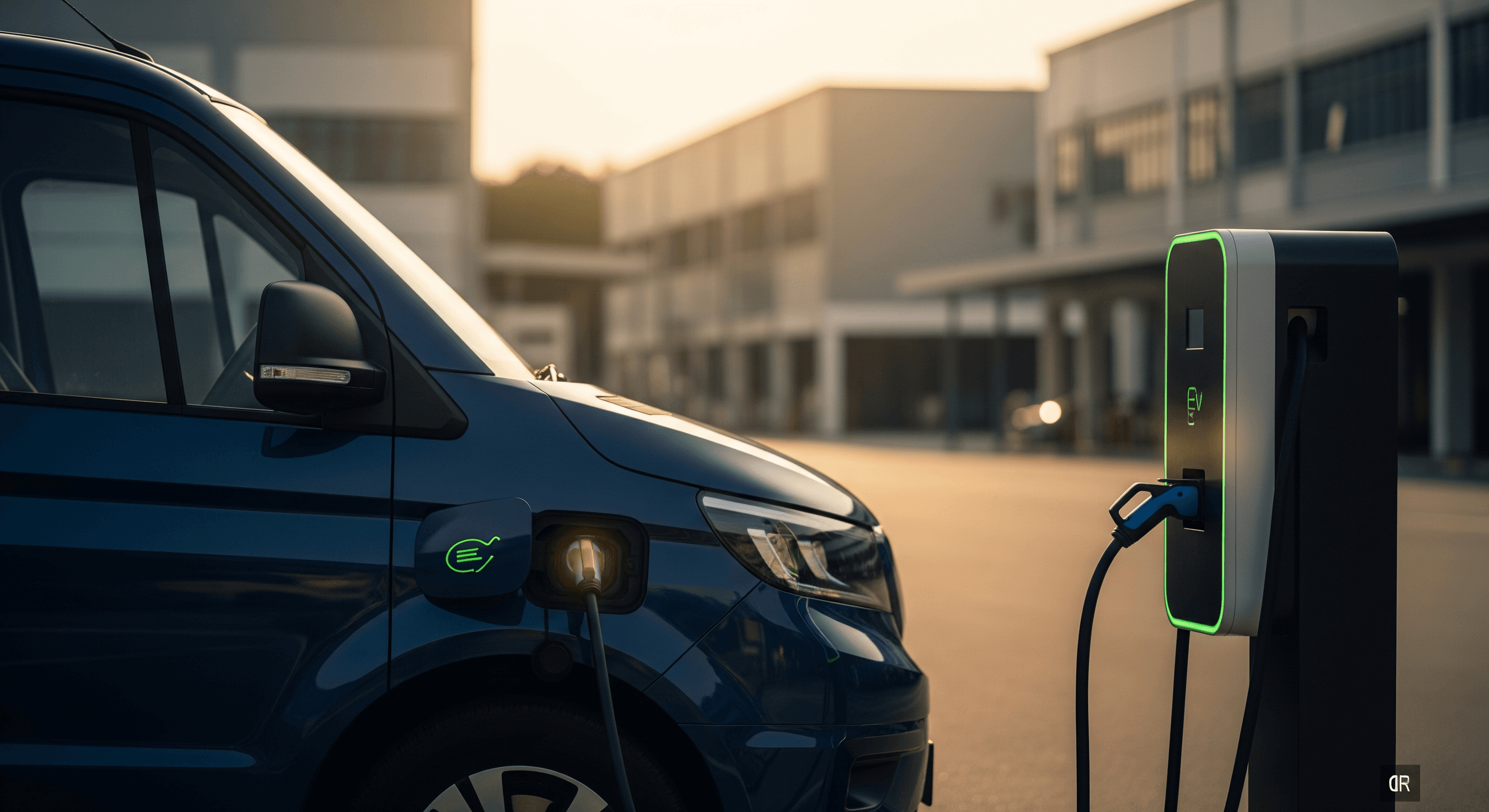
Grab invested in May Mobility in late 2025, targeting robotaxi deployment in Singapore as early as 2026. WeRide and Grab began autonomous vehicle tests in Punggol in October 2025, with plans to quadruple test runs by year end.
QuikBot partnered with FedEx to roll out autonomous last-mile delivery robots in Singapore. Their pilots at South Beach Tower and Mapletree Business City showed deliveries 30% faster with 20% less emissions. The company plans to showcase their technology at Singapore Airshow 2026.
The global autonomous last-mile delivery market is projected to grow from $1.3 billion in 2025 to $11.5 billion by 2035, according to GM Insights. Delivery robots could cut per-delivery costs by up to 96%, from around $1.60 to $0.06.
This does not mean riders disappear tomorrow. Singapore's robotics founders note the country does not have enough manpower for the delivery boom. Automation fills gaps rather than replacing workers entirely, at least for now.
The broader trends shaping the industry are covered in our analysis of the future of last-mile delivery in Singapore, including EVs, drones, and route optimization.
What This Means for Your Business
If you ship products in Singapore, the delivery landscape is shifting under your feet. Platform costs will rise as CPF and insurance requirements phase in. Rider availability may tighten as the workforce stabilises at a smaller, more protected size.
The smart move is to diversify your delivery options now. Build relationships with platforms that offer transparent pricing and reliable service. Test alternatives to the major apps.
BoxPls provides half-day support from $165 and full-day support from $299, depending on your business needs. No contracts, self-serve booking, on-demand across Singapore. We run your deliveries like we are part of your business. A 5% platform service fee applies at checkout, shown before you pay. This block model arrived with the August 2026 BoxPls restructure.
Book your next delivery and see the difference.